
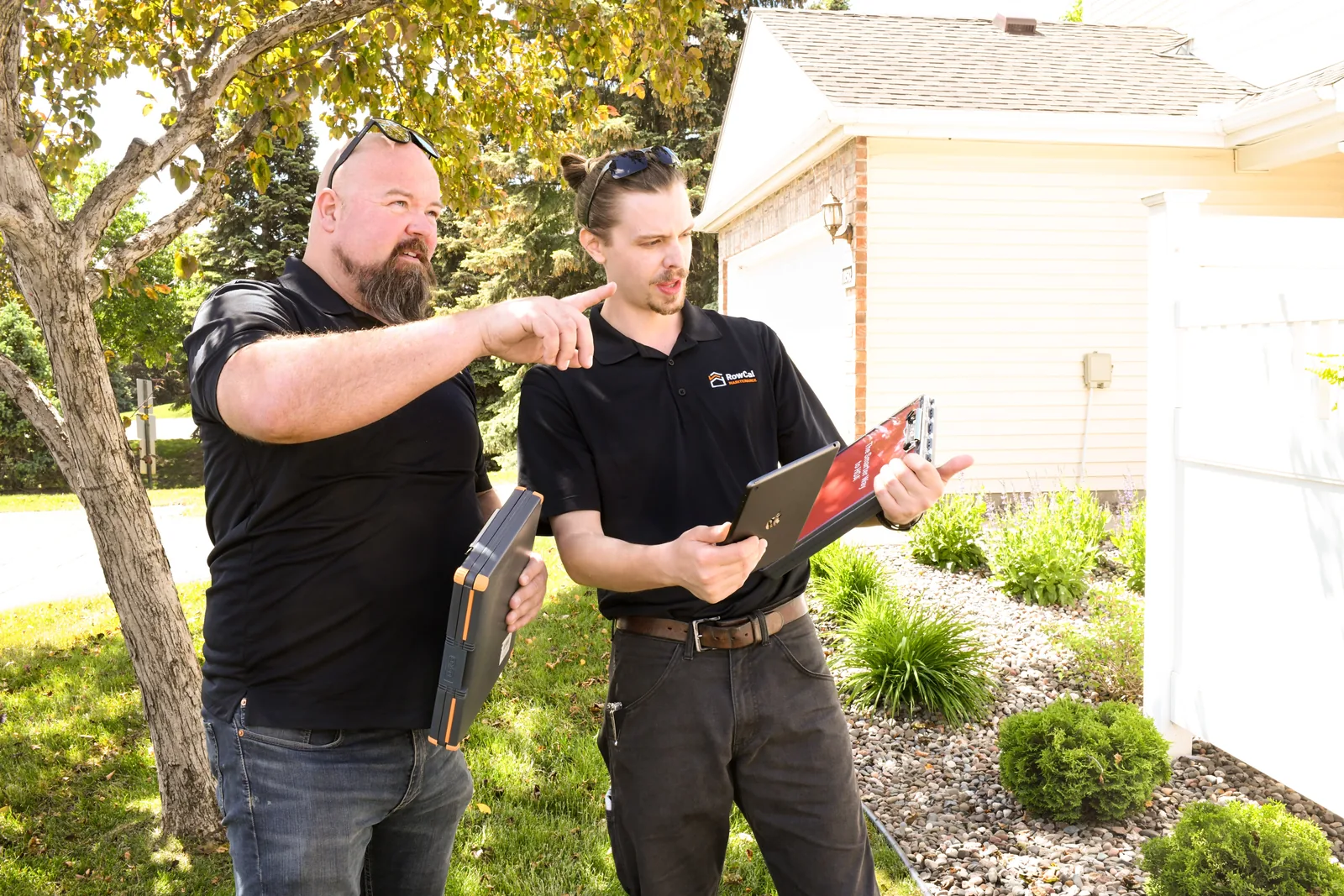
Ask any board member what keeps them up at night, and vendors usually come up before the next question. The landscaper who never calls back, the roofer whose invoice doesn’t match the quote, and the pool company that doesn’t show up are examples of common vendor problems you might be familiar with. None of these issues are dramatic on their own, but string enough of them together, and you’ve got a board that spends its meetings putting out fires instead of planning for the future.
Vendors are the hands and feet of nearly everything your community promises homeowners: mowed lawns, plowed driveways, and a pool that’s actually open when it’s supposed to be. Strong HOA vendor management protects property values, keeps the complaint calls from piling up, and frees up the board to focus on higher-stakes decisions.This guide walks you through how to pick the right vendors, manage them well, and hold them accountable, so your community gets reliable service without the budget surprises.
Why Vendor Management Matters for HOA Boards
A vendor is only as reliable as the system a board builds around them.
Vendors Impact Nearly Every Part of the Community
Think about how much of daily life in your community depends on someone outside the HOA doing their job well:
- Landscaping
- Snow removal
- Pool maintenance
- Janitorial services
- Security
- Maintenance and repairs
- Capital improvements
Get ahead of these tasks with real preventative maintenance planning, and most of these vendors fade into the background, doing their job without anyone noticing. Skip that step, and every one of them becomes a phone call the board didn’t see coming.
Poor Vendor Oversight Creates Risk
Loose vendor management is a liability sitting in plain sight. Budgets overrun when scope isn’t nailed down. Residents complain when the same pothole sits unfixed for months. Projects stall because nobody set a deadline. And if a vendor gets hurt on your property without proper coverage, your association could be the one footing the bill. Over time, all of that neglect shows up in declining property values, and that’s harder to fix than a broken gutter.
Common Vendor Management Challenges for HOAs
What goes wrong, even for boards that are doing everything right? Usually the same handful of things.
Inconsistent Communication
This includes delayed responses, radio silence on project updates, and expectations that were never quite aligned in the first place. Vendor frustration worsens when nobody has agreed, in writing, on what a finished job actually looks like.
Difficulty Measuring Performance
Without defined service standards, boards end up managing by gut feeling. Limited documentation means there’s no paper trail when a vendor underperforms, and reactive problem-solving becomes the norm.
Board Turnover Creates Continuity Issues
Boards change. New members come in without the history of why a vendor was hired, what was promised, or what has already gone wrong. Vendor relationships reset, institutional knowledge walks out the door, and contracts sit unreviewed for years because nobody remembers whose job that was.
How to Select the Right HOA Vendors
Before you ever request a bid, your board needs to know exactly what it’s looking for.
Define the Scope Before Requesting Bids
A vague request gets vague bids, and vague bids turn into vague results. Before reaching out to anyone, spell out exactly what work is needed, set realistic timelines, and document your expectations in writing. “Landscaping services” isn’t a scope; “Weekly mowing April through October, spring and fall cleanup, and mulch refresh by May 15” is.
Compare Other Factors Apart From Price
The cheapest bid isn’t always the smartest one. Look at a vendor’s experience working with HOA communities specifically, check references, confirm licensing and insurance are current, and pay attention to how responsive they are during the bidding process itself. If they’re slow to return a call now, that pattern rarely improves once they’ve got your signature on a contract.
The Federal Trade Commission recommends confirming a contractor’s license with your state or county and asking for proof of insurance before any work begins. Also, consider whether a vendor actually has the capacity to take on your community’s ongoing work, not just the initial project.
Depending on your state, gathering multiple bids may not just be smart, it might be required. Florida law, for example, requires homeowners’ associations to obtain competitive bids for contracts exceeding 10 percent of the annual budget, including reserves. Even where it’s not mandated, that kind of threshold is a reasonable rule of thumb for any board.
Evaluate Long-Term Fit
A vendor who’s great today should still be great in three years. Ask whether they can grow alongside your community, whether they understand the quirks of your specific property, and whether they seem genuinely committed to quality rather than just checking a box.
Best Practices for Managing HOA Vendors
Signing the contract is the easy part. Managing the relationship after that is where most of the actual work happens.
Set Clear Expectations From Day One
Every vendor relationship should start with a signed service agreement that spells out performance standards, reporting requirements, and what happens when something goes wrong.
Establish Regular Communication
Scheduled check-ins beat surprise phone calls every time. Whether it’s a monthly maintenance review or a quick budget conversation before a big spend, regular touchpoints catch small issues before they snowball.
Document Everything
Contracts, change orders, service requests, performance concerns, and meeting notes won’t matter if they only live in someone’s inbox, where they can be easily deleted or forgotten. Keep records centralized and accessible. Strong documentation supports your annual HOA budget process by providing real cost history.
How Boards Can Hold Vendors Accountable
A contract is only as good as the follow-through behind it. Here’s how to put real accountability behind yours:
- Track performance against expectations. Response times, completion rates, resident feedback, and whether costs are staying within budget all tell a story once you’re tracking them consistently.
- Conduct periodic vendor reviews. An annual evaluation, paired with a fresh look at the contract terms, gives the board a natural checkpoint to ask: Is this still working for us?
- Address problems early. Small issues left alone rarely stay small. Identify concerns quickly, document them, and put a specific action plan and timeline in place.
A vendor who knows exactly what needs to be improved, and by when, is far more likely to fix it than one who’s just heard a vague complaint in passing.
Vendor Management During Capital Projects
A roof replacement isn’t the same animal as a mowing contract, and it shouldn’t get the same level of oversight.
Why Oversight Matters More During Large Projects
Capital projects carry higher price tags, run on longer timelines, and draw a lot more homeowner attention than routine work. A missed deadline on a roof replacement is a much bigger deal than a missed mowing.
Best Practices for Project Success
Here are some tips for ensuring that you and your vendor are on the same page for a big project:
- Gather multiple bids.
- Insist on a clearly written scope of work.
- Set defined milestones the board can track against.
- Require frequent progress updates so the board knows where things stand.
Thoughtful capital project planning up front is what separates a smooth renovation from a homeowner meeting that runs three hours long.
How Professional HOA Management Improves Vendor Oversight
Ask any self-managed board where the cracks show first, and vendor oversight is usually near the top of the list. That’s also usually the first thing that improves once a professional management company is in the picture. Structured vendor management for HOA communities takes the guesswork out of contracts, communication, and paperwork through:
- Centralized vendor coordination. One point of contact for communication, contracts, and performance tracking means nothing falls through the cracks between board members.
- Access to established vendor networks. Professional management brings relationships with qualified contractors already built in, which often means better pricing and faster turnaround when something needs fixing now, not next month.
- Better documentation and accountability. Work order tracking, formal reporting systems, and a real service history turn vendor management from a scramble into a system.
That kind of structure falls squarely under broader HOA management responsibilities, the kind of behind-the-scenes work homeowners rarely think about until it’s missing.
How RowCal Helps Boards Manage Vendors More Effectively
RowCal was built to take vendor headaches off a board’s plate entirely.
One Go-To Manager Backed by Specialists
Every RowCal community gets one trusted point of contact who knows the property, backed by a team of specialists in maintenance, project coordination, and financial oversight. Nobody’s guessing their way through a vendor dispute alone.
Structured Vendor Management Processes
From collecting bids and evaluating vendors to tracking ongoing performance, RowCal builds the process so boards aren’t reinventing it every time a contract comes up for renewal.
Focus on Proactive Community Support
Vendor management shouldn’t be the thing that eats up a board meeting every month. That’s the whole point behind RowCal’s HOA management services: less time chasing down contractors, steadier service across the community, and outcomes the board can actually point to when a homeowner asks what their dues are paying for.
Vendor relationships shape more of your community’s daily experience than almost anything else the board handles. Get the process right, and vendor issues quit showing up as the first item on every meeting agenda. If your board is weighing whether it’s time for more structured support, RowCal is the HOA management company built to handle vendor relationships, budgets, and everything else in between.