
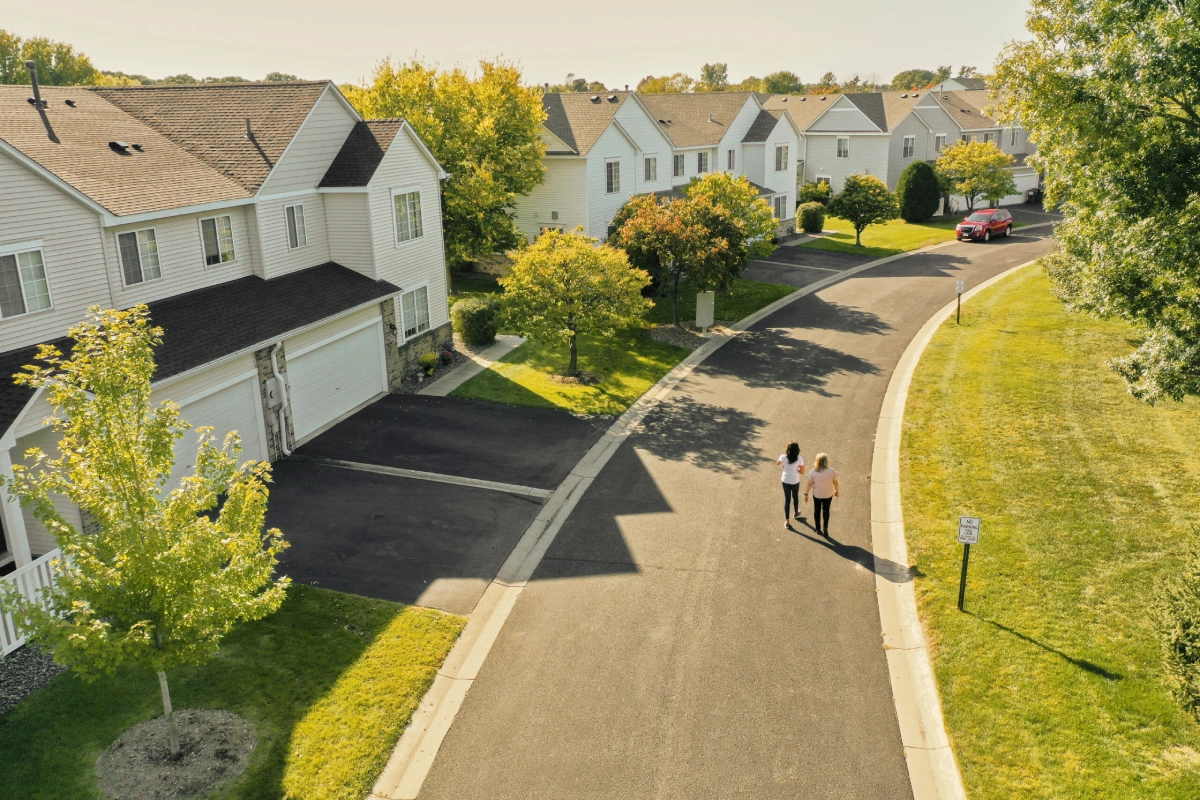
Reserve funds pay for the expensive repairs every HOA knows are coming: roofs, pavement, pool equipment, exterior painting, and other shared assets that wear out over time.
The hard part isn’t understanding what reserves are. It’s knowing how much to collect, when to use the money, and how to explain those decisions to homeowners.
What HOA reserve funds are (and why boards need them)
Every homeowners’ association manages two core accounts, and knowing the difference is the first step toward confident financial planning.
Reserves vs operating funds (simple separation)
Reserve funds are your HOA’s long-term savings for major repairs and replacements. Operating funds cover day-to-day expenses like landscaping, utilities, and management fees.
These two accounts must stay separate because mixing them makes it impossible to track where your HOA stands financially.
Think of it like your household budget: operating funds pay your monthly bills, while reserves are what you set aside for a new roof someday.
Planning value and fiduciary protection
A healthy reserve fund delivers two critical benefits:
- Protects homeowners from sudden special assessments and prevents financial surprises
- Signals strong HOA financial stability to prospective buyers, playing a key role in protecting your home’s value
Board members have a fiduciary duty to plan for the HOA’s future, whether or not your state legally requires reserves. Your governing documents may include specific reserve requirements, so check your CC&Rs regardless of state law.
What reserve funds typically pay for
Reserve funds cover big-ticket projects that don’t happen every year.
Common reserve components (capital replacements)
Most reserve expenses involve replacing or substantially repairing community assets. In states like Florida, statutes require HOA budgets to include reserve accounts for capital expenditures and deferred maintenance covering items such as roof replacement, building painting, and pavement resurfacing.
Common examples include:
- Roof replacement on clubhouses or common buildings
- Road and parking lot repaving
- Pool resurfacing and equipment replacement
- Exterior painting of shared structures
- Playground equipment and fencing replacement
- Elevator modernization in condominiums
Your HOA’s specific reserve components depend on what you own. A condo with shared building systems has very different needs than a single-family HOA.
What reserves should not cover
Reserves should never pay for routine operating expenses. The following all belong in the operating budget:
- Landscaping contracts
- Utility bills
- Insurance premiums
- Minor repairs
Using reserves to cover operating shortfalls is one of the most common board mistakes when trying to navigate financial pressure. If your operating budget runs short consistently, adjust dues or cut recurring expenses.
How much should an HOA have in reserves?
There’s no single dollar amount that works for every HOA. The answer starts with your reserve study.
Use the reserve study as the benchmark
A professional HOA reserve study includes four essential components:
- Physical inspection of your components
- Estimates of remaining useful life
- Projected replacement costs
- Recommended funding plan
Most HOAs should conduct reserve studies every three to five years. The study only matters if boards use it to make real budget decisions.
Percent funded (board-friendly meaning)
“Percent funded” compares what you have now to what you should have based on how your components are aging. It does not mean you can replace everything today.
Industry experts recommend targeting 70% or higher. But that number is only as reliable as the study behind it. An outdated study produces misleading figures.
Timing of components drives the target
The “right” reserve balance changes year to year based on when major projects are scheduled. An HOA with a roof replacement due next year needs more cash on hand than one whose next big project is a decade away.
Fully funded vs underfunded reserves: what boards need to know
Understanding where your reserves stand and what happens when they fall short is essential for any board. An analysis of more than 100,000 reserve studies found that 74% of associations fall below the 70% funded threshold, making underfunding the norm rather than the exception.
What “percent funded” actually means
Percent funded tells you whether you’re saving at the right pace. A community at 80% funded feels different than one at 30%. The only way to keep this number accurate is through regular reserve study updates.
Risks of underfunding reserves
When reserves fall too low, boards face difficult choices:
- Special assessments become the only option for major repairs
- Failing to avoid deferred maintenance turns small problems into expensive emergencies
- Property values decline when buyers review financials during due diligence
- Board liability increases for failing to plan responsibly
Common causes of underfunding include the hidden dangers of stagnant HOA assessments, outdated reserve studies, and borrowing from reserves for operating costs. The fix is a phased plan with gradual contribution increases.
How boards set reserve contributions
Once you know how much you need, build that number into your annual budget.
Build contributions into the annual budget
During HOA budget preparation, reserve contributions should be a dedicated line item, not whatever’s left after expenses. Take your reserve study’s recommended annual contribution and divide by the number of units to calculate each homeowner’s monthly share.
Adjust for inflation, bids, and study updates
Between full study updates, compare actual contractor bids to your study’s cost projections. If bids are running significantly higher, adjust contributions accordingly.
Plan for modest annual increases to keep pace with inflation, then recalibrate fully when your reserve study is updated.
When to use reserves vs increase dues vs issue a special assessment
Knowing when to tap reserves, raise dues, or levy a special assessment is one of the trickiest judgment calls boards face.
Decision triggers and documentation boards need
Here’s a practical framework:
| Situation | Recommended Action |
| Capital expense in the study, balance can absorb it | Use reserves |
| Contributions falling behind the funding plan | Raise dues |
| Unexpected major expense exceeds reserve balance | Special assessment |
For every reserve expenditure, document the following:
- Board resolution
- Connection to the study component
- Vendor bids
- Impact on the fund balance
Owner communication to reduce pushback
Because financial transparency matters, share reserve fund status proactively at least once a year, ideally quarterly. A CAI Foundation survey found that only 9% of homeowners understand reserve funding very well, so when a major expenditure comes up, explain the problem before presenting the price tag.
Simple visuals like a project timeline and current reserve tracking help homeowners understand how their contributions protect everyone’s investment.
Managing reserve funds safely (controls + reporting)
Good planning means little without proper controls and clear reporting.
Approval rules and audit trail
Every reserve expenditure should require a board vote with proper notice. Check your governing documents for dollar thresholds requiring membership approval.
Maintain a clear audit trail with the following:
- Meeting minutes
- Signed contracts
- Invoices
- Proof of payment
Reserve funds should be held in FDIC-insured accounts where safety and liquidity come before yield.
Reporting boards should see monthly/quarterly
Boards should expect these reports:
- Monthly: Reserve fund balance and disbursements compared to study projections
- Quarterly: Percent funded status and upcoming component timelines
- Annually: Full reserve summary with contribution adequacy assessment
If your management company isn’t providing these reports, ask for them. Consistent reporting and clearly deciphering your HOA’s financial statements are the foundation of responsible oversight.
How RowCal supports reserve planning and transparency
Reserve planning works best when the people managing your finances, maintaining your property, and coordinating capital projects are all connected.
Operating vs reserves clarity in reporting
RowCal provides a clear separation between operating and reserve funds in all financial reporting. Boards always know exactly where they stand.
Budgeting support tied to long-term planning
RowCal connects annual budget decisions directly to long-term reserve fund management. Whether your community needs help interpreting a reserve study or coordinating the projects those reserves fund, HOA property services, and HOA maintenance services support every step.
Reserve fund planning doesn’t have to feel overwhelming. A current study, a clear contribution plan, and consistent reporting let boards manage reserves with confidence. The goal isn’t perfection. It’s steady, informed progress that protects homeowners from surprises and keeps the HOA financially strong for years to come.
RowCal was built on the belief that HOA management should make life easier, not more complicated. With a dedicated manager backed by specialists in finance, maintenance, and capital projects, communities get both personal connection and expert support. If you want a partner who simplifies reserve planning and keeps your community on track, RowCal is ready to help.
FAQs about HOA reserve funds
What is the rule of thumb for HOA reserve funds?
Reserves should be funded to at least 70% of projected needs, though the right amount depends on your community’s specific assets and upcoming projects.
What qualifies as a reserve expense?
Any major repair or replacement to a common area component with a predictable useful life qualifies. Routine maintenance and operating costs do not.
Can HOA reserve funds be invested?
Yes, but safety and liquidity come first. Common options include:
- FDIC-insured savings accounts
- Money market accounts
- Certificates of deposit
How often should a reserve study be updated?
Every three to five years, or sooner after significant changes like storm damage or unexpected deterioration.
Sources:
- Florida Senate. The Florida Senate. https://www.flsenate.gov/Laws/Statutes/2025/718.112
- Association Reserves. Three Quarters of Association-Governed Communities are Underfunded – What That Means for You. https://www.reservestudy.com/resources/article/three-quarters-of-association-governed-communities-are-underfunded/
- CAI Foundation. RESERVE STUDY & FUNDING TRENDS. https://foundation.caionline.org/wp-content/uploads/2025/12/SnapSurveyReserveStudyFunding.pdf