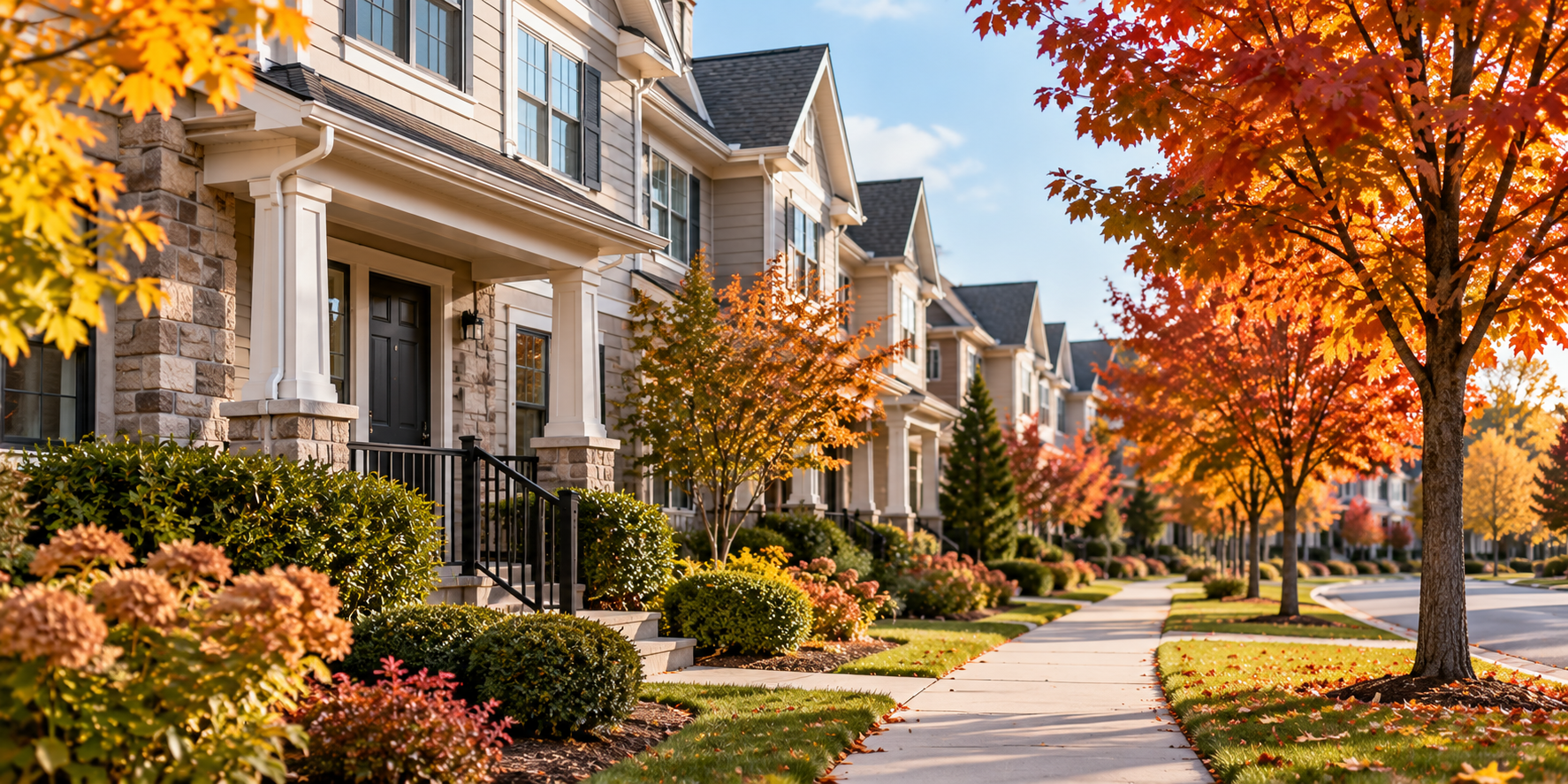
A well-managed HOA doesn’t wait for the seasons to change before deciding what comes next. With a solid annual community calendar, your Board and HOA management team can anticipate seasonal maintenance, budget milestones, vendor needs, inspections, and community communications well before they become surprises. That proactive planning is what keeps a community running smoothly — and it starts with understanding three things: what needs attention this season, where your money is going, and how your Board decides what to budget for next.
Building Your Fall Maintenance Checklist
Before winter arrives, every HOA should have a few things on its radar. Fall maintenance typically includes gutter and drainage checks, irrigation winterization, landscaping cleanup, exterior inspections, snow-removal preparation, HVAC servicing, and a review of lighting and common-area safety. The exact checklist depends on your community, but the goal is always the same: catch small issues before they become bigger, more expensive problems. Board members should connect with their Community Manager to review what’s on the association’s fall checklist and what still needs attention. For a full season-by-season breakdown, RowCal’s HOA Maintenance Plan guide walks through strategies, templates, and sample checklists in detail.
Where Your HOA Assessments Actually Go
Assessments do more than cover today’s bills. They fund the services, maintenance, insurance, utilities, vendor contracts, reserve contributions, and long-term planning that keep a community operating throughout the year — and as fall turns toward winter, the work an association has funded all year is what prepares the community for the season ahead. Understanding HOA finances builds trust, and informed homeowners help build stronger communities. Homeowners with questions about their budget can start with their association’s financial reports and approved annual budget, or read RowCal’s guide, Where Do Your HOA Dues Really Go?, for a full breakdown.
How Your HOA Decides What to Budget For
One of the most important tools in that process is the Reserve Study. It helps a Board understand the anticipated lifespan and replacement costs of major community assets — from roofs and pavement to mechanical systems and other shared infrastructure. Boards and HOA management teams use that information, alongside current financials, vendor projections, maintenance needs, and community priorities, to build a more informed annual budget. It isn’t about guessing what comes next; it’s about planning for it. Not familiar with your community’s Reserve Study? RowCal’s Reserve Study basics guide is a good place to start, and it’s worth asking your Board when yours was last completed or updated.
The Bottom Line
Fall is a natural checkpoint for HOA planning: it’s when maintenance catches up, budgets take shape, and boards look ahead to the year to come. A community that plans proactively — rather than reactively — protects both its property values and the people who call it home. If your association could use support building out its maintenance plan or long-term budget, that’s exactly where a dedicated Community Manager makes the difference.