HOA Budget Planning Starts Before the Budget Meeting: Why Strategic Reflection Creates Stronger Communities
Every year, HOA boards begin preparing for the next budget cycle. Vendor proposals arrive, financial reports get reviewed, and conversations quickly turn to operating expenses, reserve contributions, insurance renewals, maintenance needs, and homeowner assessments.
For volunteer board members, budget season can feel overwhelming. There are competing priorities to balance and decisions to make that affect every homeowner in the community.
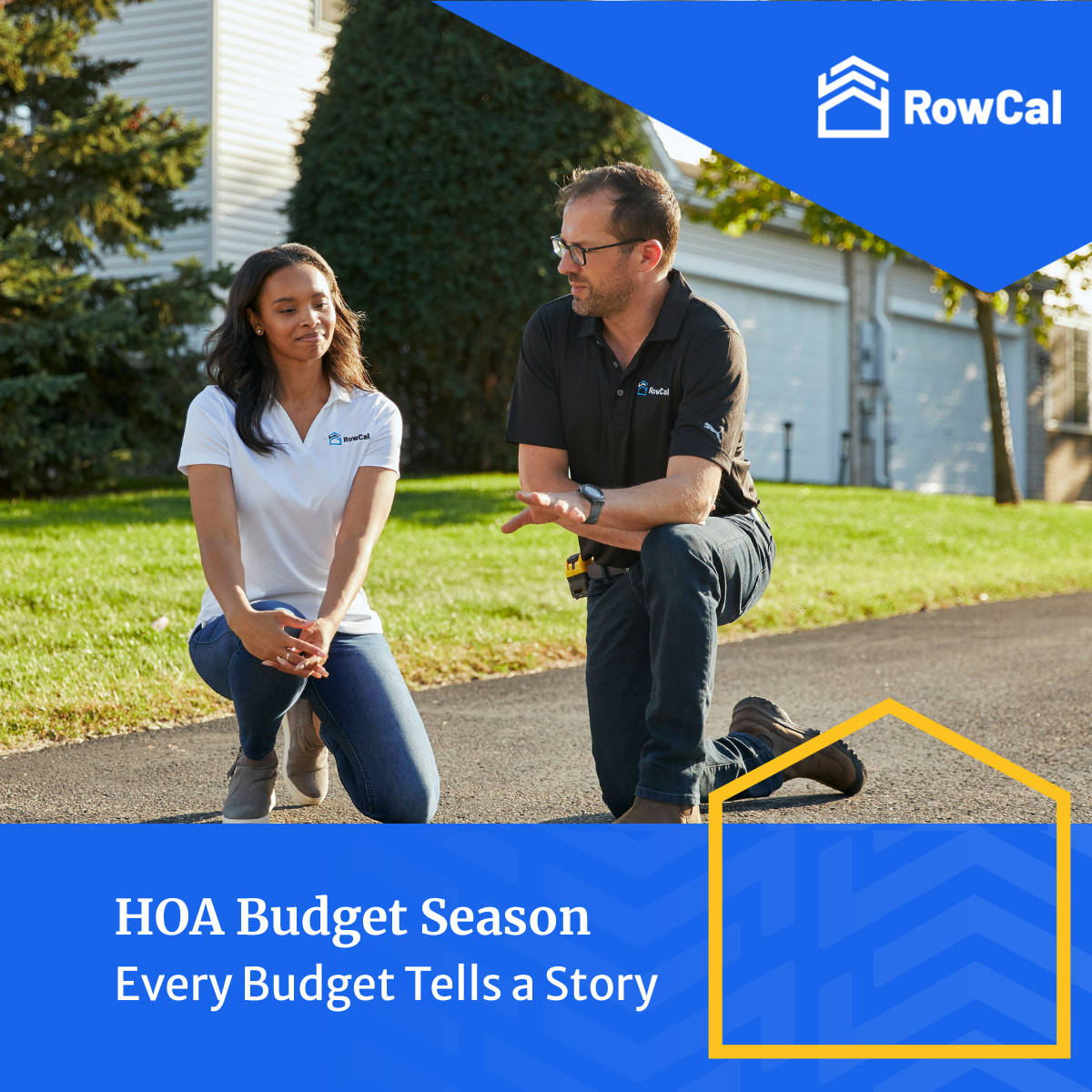
It’s easy to assume HOA budget planning begins with a spreadsheet. The strongest budgets actually begin with a conversation: What did we learn this year?
HOA Budgeting Is Really About Leadership
The numbers matter. Boards have a responsibility to manage association funds wisely and make sure assessments support both current operations and future community needs.
But a budget is also a written record of a community’s priorities. When a board invests in preventative maintenance, it’s choosing long-term stewardship over short-term savings. When it fully funds reserves, it’s preparing for the eventual repair and replacement of shared amenities. When resources go toward communication or resident engagement, the board is investing in the homeowner experience.
A thoughtful budget gives people the resources and roadmap they need to carry out the community’s vision.
Look Back Before You Look Ahead
Before asking “what should we budget for next year,” start with a different question: what actually happened this year, and what did it teach us?
Start with the wins. Maybe a major maintenance project wrapped up on schedule. Maybe a new landscaping vendor finally solved a drainage complaint that had lingered for two seasons. Maybe better communication around a capital project kept homeowner calls to a minimum. Those wins are clues about where the community’s money is creating real value.
Then look at what didn’t go as planned, without assigning blame. Were there unexpected repairs the reserve study hadn’t anticipated? Did a recurring maintenance issue keep eating into the budget? Did vendor pricing jump more than expected?
One community’s board invested in preventative tree trimming ahead of storm season — a line item some homeowners questioned at the time. When severe storms hit months later, the community saw far fewer emergency removals and far less property damage than neighboring associations that hadn’t budgeted for the work. That wasn’t just an expense; it was proof the investment paid off.
Compare that to a community that kept pushing off a failing retaining wall repair because the number seemed too big to fit the budget. A year later, water damage had spread, the repair scope had grown, and the board no longer had the option to wait.
Both boards learned something. Only one learned it the easy way.
Resist the Urge to Just Roll Last Year Forward
One of the easiest traps in HOA budget planning is treating last year’s numbers as the starting template and adjusting up or down from there — landscaping went up, so add a few percent; insurance renewed higher, so carry that number forward.
That produces a balanced spreadsheet. It doesn’t necessarily produce a strategic budget.
Communities change. Buildings age. Vendor markets shift, and homeowner expectations move with them. A number that made sense two years ago might not reflect where the community actually needs to invest today. Historical spending is useful information — but it works best alongside current conditions and where the board wants the community to be in the years ahead.
Decide What Success Looks Like — Then Fund It
Before debating individual line items, it helps for the board to agree on what success looks like twelve months from now.
For some communities, success means fewer emergency repairs because preventative maintenance finally gets consistent funding. For others, it’s strengthening a reserve fund that’s fallen behind, or finishing a major capital project that’s been delayed for years. Sometimes, after several years of big projects and disruption, success just means a quieter year.
There’s no universal right answer. What matters is that the board settles on the destination first. If reducing emergency repairs is the goal, preventative inspections belong in the budget, not just the wish list. If reserve health is the priority, that funding conversation needs to happen early — not get pushed to whatever’s left over.
Once the board agrees on priorities, individual budget line items stop being debated in isolation. Each one gets evaluated against a simple question: does this move us closer to where we said we wanted to go?
HOA Budget Planning Has to Look Past the Next 12 Months
An annual budget naturally pulls attention toward the coming year, but strong community leadership requires looking further out.
Roofs will eventually need replacing. Parking surfaces and roads will need resurfacing. Mechanical systems will reach the end of their service life. None of those costs disappear just because they don’t show up in next year’s operating budget.
Responsible planning weighs three timeframes at once:
- Where have we been? What did last year’s spending, successes, and setbacks actually teach the board?
- Where are we now? What’s the community’s current financial position, and what maintenance or contracts need attention right now?
- Where are we going? What future projects and asset replacements should the reserve study already be accounting for?
Holding all three in view is what separates a board that reacts to problems from one that plans ahead of them.
When Good Planning Leads to Hard Conversations
Strategic planning doesn’t always point to an easy answer. Sometimes it reveals that maintenance has been deferred longer than it should have been. An updated reserve study might expose a funding gap. Insurance, utilities, and labor costs may have climbed faster than current assessments can reasonably absorb.
And sometimes the honest conclusion is one no board wants to reach: assessments need to go up, and sometimes they need to go up a lot.
It’s tempting to treat flat assessments as a sign of good leadership. But low assessments and financial health aren’t the same thing. If holding the line on assessments means deferring maintenance, cutting reserve contributions, or delaying a project the community actually needs, today’s savings just become next year’s larger bill.
The goal isn’t the lowest possible assessment. It’s the right amount to responsibly operate, maintain, and protect the community — whether that number happens to stay flat or not.
Give Your Board the Time to Think It Through
Good decisions take time. When boards wait until the deadline is closing in, conversations turn reactive by necessity — there’s no room left to collect updated vendor proposals, consult a reserve study specialist, or talk through timing on a capital project before numbers have to be finalized.
Starting the process early changes that. It gives your community management team time to gather real proposals instead of estimates. It gives vendors room to offer options instead of just quotes. Most of all, it lets the board make decisions driven by strategy instead of a looming deadline.
Budget season works better as a months-long process than a single meeting.
A Strong HOA Budget Reflects Strong Leadership
The best HOA budgets rarely come down to who on the board is best with a spreadsheet. They come from volunteer leaders taking time to ask good questions, learn from what actually happened, and make decisions that support where the community is headed — not just where it’s been.
As your board starts preparing for the next budget cycle, resist the pull to start with the numbers. Look at what worked. Be honest about what didn’t. Then decide, together, where the community should go next.
Reflection first, forecasting second — that’s what turns a budget from an accounting exercise into an actual plan for the community’s future.
Ready to Start Planning?
Budget season is one of the most important opportunities your board has to shape the future of your community. RowCal’s community management experts partner with boards to bring together financial insight, operational experience, and long-term planning so leaders can make confident, informed decisions.
Talk to a RowCal community management expert about your reserve study and budget planning → www.RowCal.com/Learn-More